How I Transition My Home from Summer to Fall (My Full Seasonal Reset)
There’s something bittersweet about this time of year. The pool gets closed, the planters come inside, the garden gets pruned back, and just like that, summer is officially over. But there’s another side to it too. Cooler nights, gorgeous foliage, blankets on the couch. The seasonal shift has a rhythm to it, and over the years I’ve developed a routine that makes it feel less like a chore and more like a reset.
Here is everything I do for my summer to fall home transition, starting outside and working my way in.
Closing the Pool
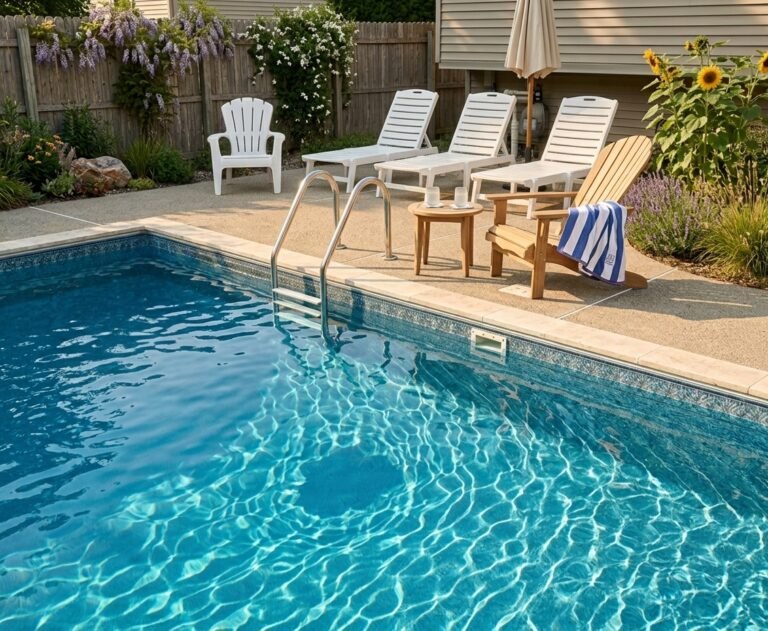
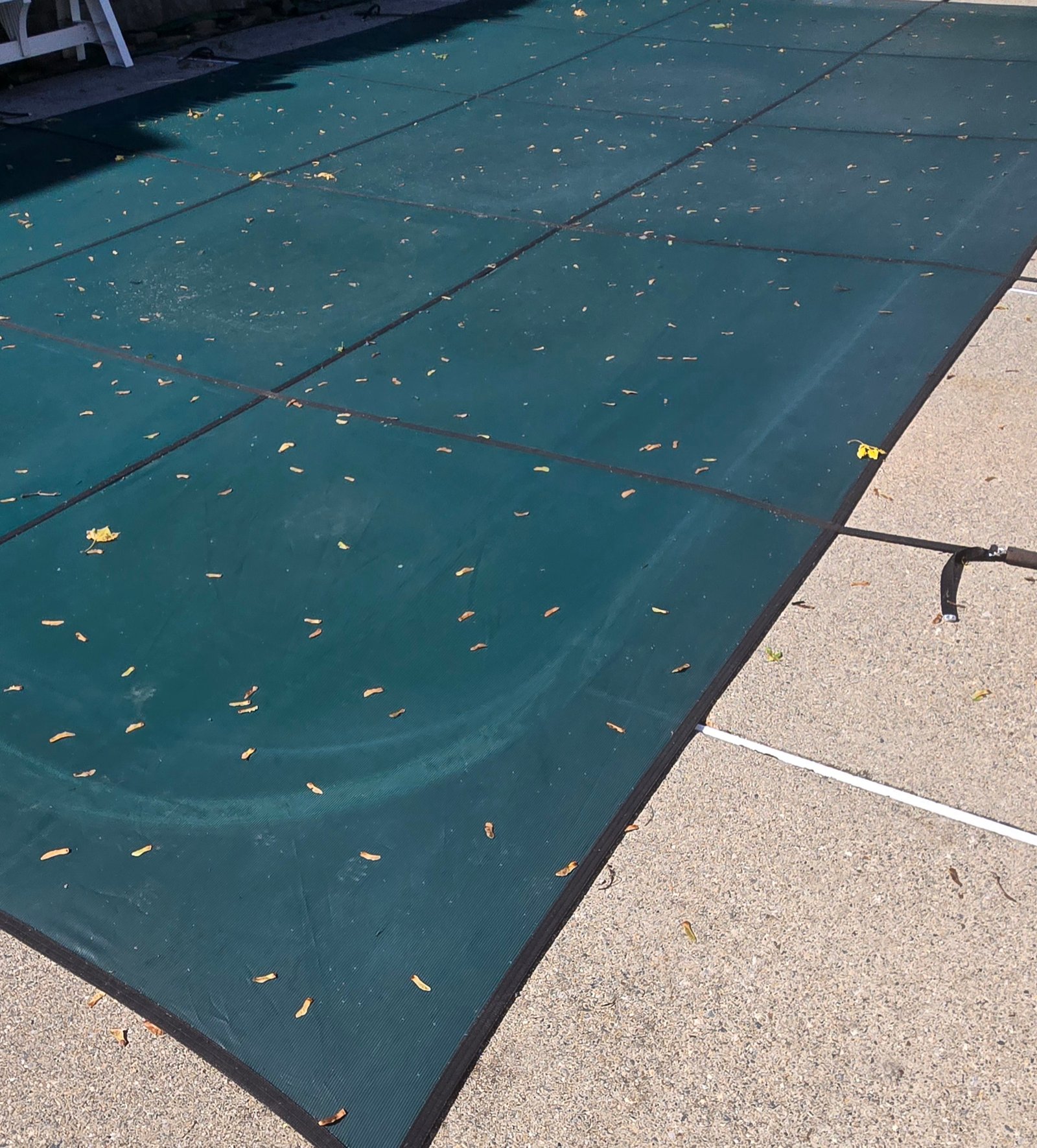
This week I closed the pool. Or should I say, I paid someone to close my pool. The one thing you will learn when living solo is to find a balance between the things you do yourself versus what you pay to have done for you. It will be different for everyone. I’ve never closed or opened my own pool. Honestly, I’m not even sure I’d know how. I know I’ve seen grown men struggle opening the filter, and plunge their entire arms into the dirty pool to do I-don’t-know-what to the skimmer and returns. That was enough for me. Not to mention, I’m not willing to risk ruining my pipes, pump or filter by forgetting something important or doing something wrong. Leaving it to the pros gives me peace of mind and saves my back. I’ve written about pool maintenance separately. You can read that here.
Covering the Rock Mulch
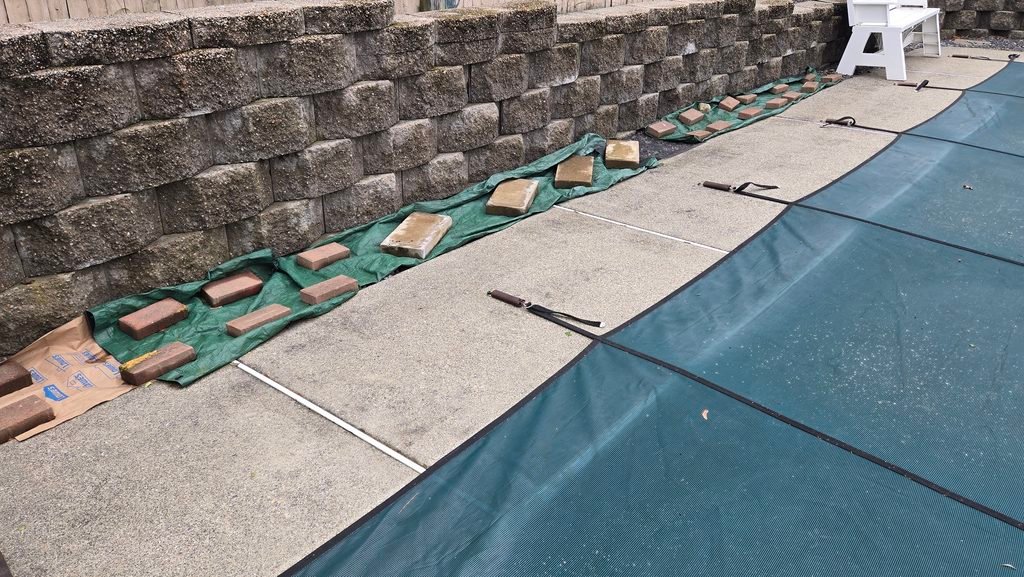
I have rock mulch surrounding my pool deck. Even though I don’t have a single tree on my property, I get many leaves that blow in from my neighbors’ yards. For the summer to fall home transition, to make my life easier I cover my rock mulch to avoid the helicopter seeds from germinating in the spring. I cannot tell you how many I had to pull up this past spring. This also stops the leaves, tiny twigs and other debris from falling in between the rocks and looking messy. I forgot to cover them last year so now it’s a cannot-miss part of my seasonal reset. This year I’m using whatever I have around: paper bags and tarp remnants. The bags take several months to decompose if not in a compost, which is just enough time to get me through until spring. Next year I may look into a fine screen mesh that I can roll up and put away year to year. When spring arrives, it should be an easy cleanup by using my leaf blower to move all the debris to one corner, then switching to vacuum mode to suck them all up for disposal.
Putting Away Outdoor Furniture
Around the same time the pool closes, I start working through the outdoor furniture. This is the part that has to happen in stages because frankly, not everything needs to come in at once. The cantilever umbrella goes into the garage. Pool floats get deflated, wiped down and stored inside the house. Learn from my mistakes on that one. Mice will absolutely find them if you leave them in the shed. The umbrella stands are heavy enough that I just leave them out year-round. Solar lights, the Dynatrap, the outdoor extension cord and anything decorative I’ve hung on the fence or shed all come down and get put away.
The plastic table and chairs I leave out a little longer, but they eventually get stacked and stored too. My planters come inside. I’ve had them for years and bringing them in for the winter I think genuinely extends their life. Small things, but they add up. Transitioning my home from summer to fall means not having to worry that my outdoor items get damaged during the winter.
This year I had to do all of this faster than I would have liked. Our first nor’easter of the season had other plans for my timeline.
The Grill and Garden Hose
A few things I wait on until closer to the first freeze. The grill stays out until then. When that time comes, I clean it, disconnect the gas tank, cover it and move it into the shed. The gas tanks I leave outside, away from any structure: the deck, the shed, the house, the garage. I keep them in an open, airy spot just in case there’s ever a leak or a spark. Overly cautious? Maybe. But why chance it?
The hoses come in before the first frost, which in zone 6b is somewhere around mid-October. This one is important and worth doing right. I start by turning off the water supply to the outdoor spigots from inside the house. Then I go outside and open the spigots to drain whatever water is still sitting in them. Any water left inside can freeze over the winter and crack your pipes. Don’t skip this one. I have two outdoor spigots and I do both every single time.
The Seasonal Clothing Swap
Once the outside is handled, I move indoors. The seasonal clothing swap is next and I won’t pretend it’s my favorite way to spend a few hours, but there is something satisfying about it once it’s done. I have a bin system. My off-season clothes live in the attic, and I bring them down one bin at a time. I empty the bin, swap in my summer clothes, carry those up to the attic, and work my way through until it’s done. Simple, but it works.
The summer to fall home transition part I actually look forward to is the purge. Every season change is a chance to pull out anything I’ve outgrown, worn out, stopped loving or haven’t touched in years. Living solo means my closet is entirely mine and I am not interested in filling it with things that no longer serve me. Out it goes.
Taking Out the Air Conditioners
The chore I like least in this whole routine is taking out the air conditioners. I have two units: a small window unit in my bedroom and a larger portable floor unit for the rest of the house. Neither is difficult exactly, but it’s one of those tasks that just feels like a production.
For the window unit, I take it out, remove the accordion sides, wash the filter and wipe down the unit itself, then let everything dry completely before storing it in the basement. The floor unit gets the same treatment: filter washed, exhaust vents removed from the window, everything wiped down and dried. I use the cover it came with and roll it into a corner where it lives until next summer.
My house was built in the 1800s. Low ceilings, old bones, and central air was never going to be an option. I used to feel a little sorry for myself about that. I don’t anymore. I’ve watched people wait days for a technician to fix a broken central air system, sweating it out and paying through the nose for the repair. If my window unit dies, I go to the store and buy another one. A small unit costs maybe $30 a year when you spread the price over its lifespan. I love not being at anyone’s mercy.
Cleaning the Exhaust Fans
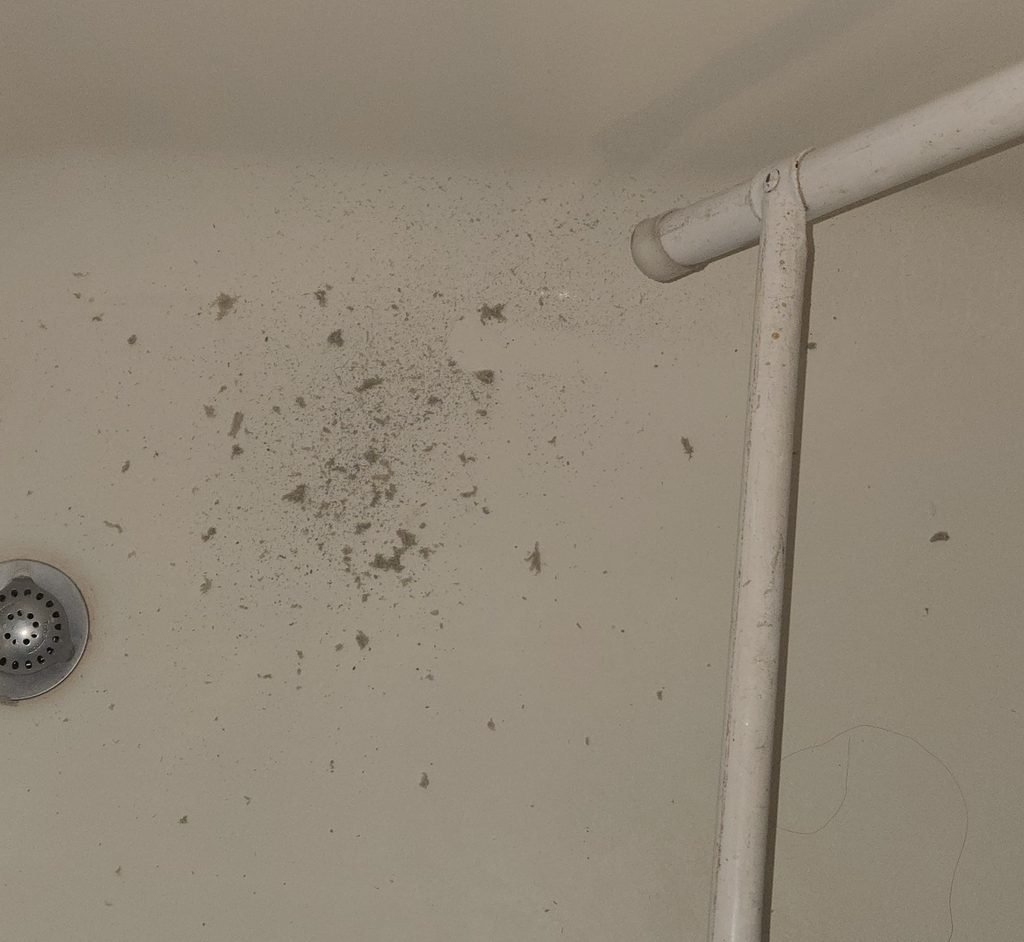
This is also the time of year I clean the things that are easy to ignore the rest of the time. Ceiling fans are at the top of that list. I looked up at mine and there was a visible layer of dust on every blade. When I started cleaning, clumps came raining down. Not my finest moment, but at least I know it’s done now. A good wipe down and they were back in business.
The bathroom fan is a different situation entirely. The humidity in the room makes the dust stick to the blades rather than sitting loosely, so you need a little more effort to get it off. This is where the toothbrush comes in. Use an old one and gently brush the dust off the blades. It works better than anything else I’ve tried for that sticky, moisture-set dust. And wear a face mask while you’re doing it. I was not prepared for how much came out and I ended up wearing a good amount of it. You’ve been warned.



So how I transition my home from summer to fall can be a metaphor for how I transition myself; clearing out what the season no longer needs and making room for what’s coming.
Every fall I work through the same routine and every fall I’m glad I did. If you want to do your own seasonal reset, here’s the full checklist so you don’t have to keep it all in your head.
Your Summer to Fall Home Transition Checklist
Outside
- Close the pool
- Cover rock mulch or garden beds to prevent debris buildup
- Deflate, clean and store pool floats inside
- Take down and store solar lights, Dynatrap and outdoor extension cord
- Remove and store decorative fence and shed items
- Bring planters inside
- Put away cantilever umbrella
- Stack and store plastic outdoor furniture
Before the First Freeze
- Clean the grill
- Disconnect and store gas tank away from all structures
- Cover grill and move to shed
Before the First Frost (zone 6b: mid-October)
- Turn off water supply to outdoor spigots from inside the house
- Open spigots to drain remaining water
- Disconnect hoses, drain and store in shed
Inside
- Bring down off-season clothing bins from attic one at a time
- Purge anything outgrown, worn out or unused
- Swap summer clothes out, carry up to attic
- Remove window AC unit, wash filter, wipe down and store
- Remove portable floor unit exhaust vents, wash filter, wipe down and cover
- Clean ceiling fan blades
- Clean bathroom fan with an old toothbrush, wear a face mask